Route I · SpotlightThe icon today
Route II · ArchivalThe icon tomorrow
Route I · Spotlight
The icon today
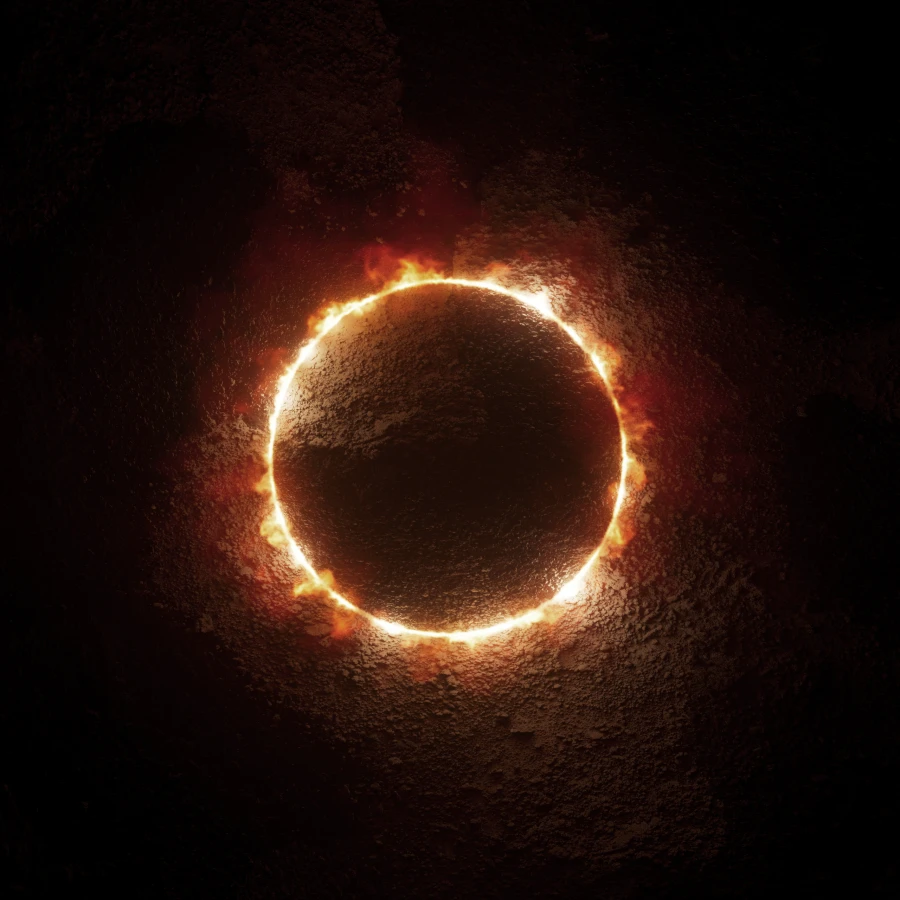
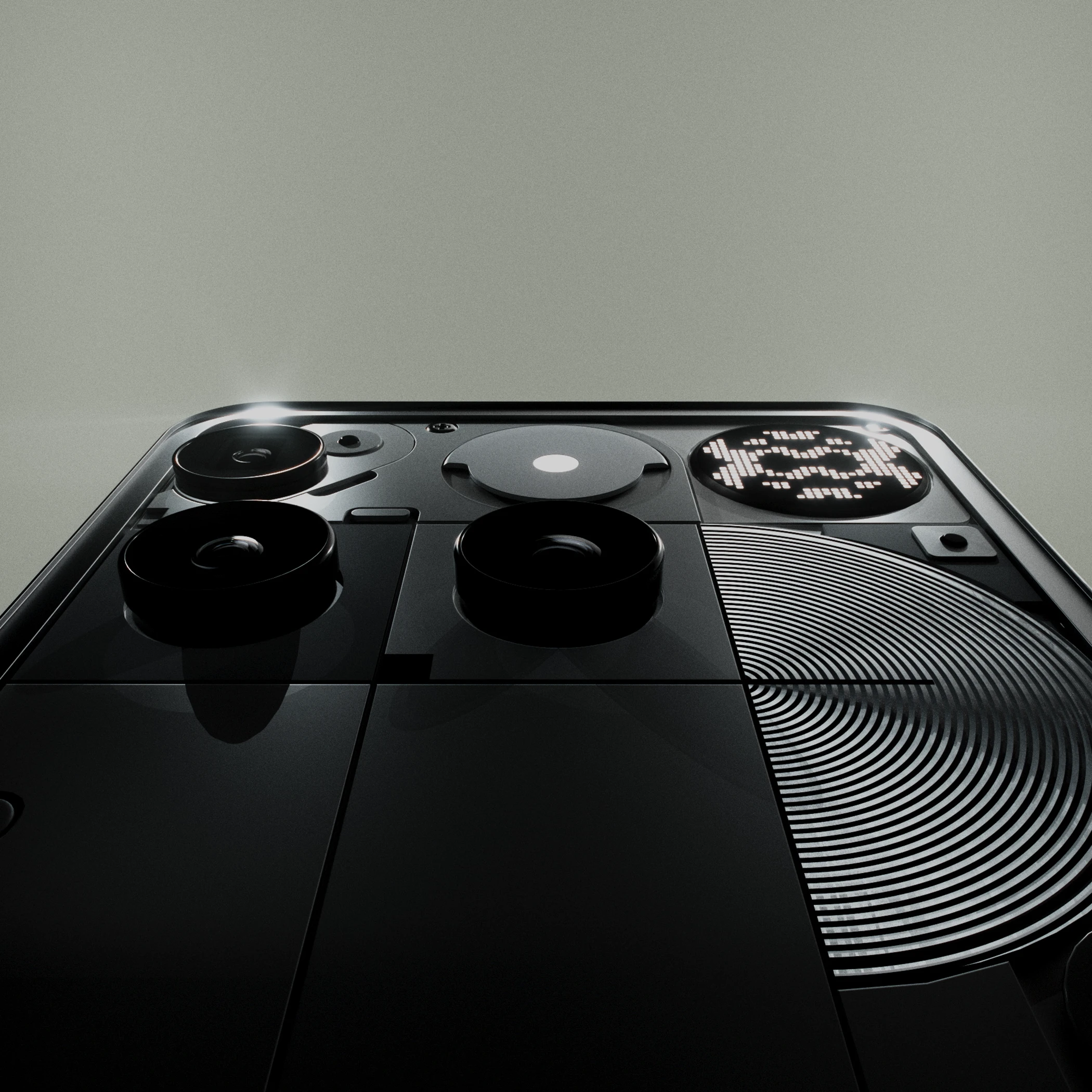
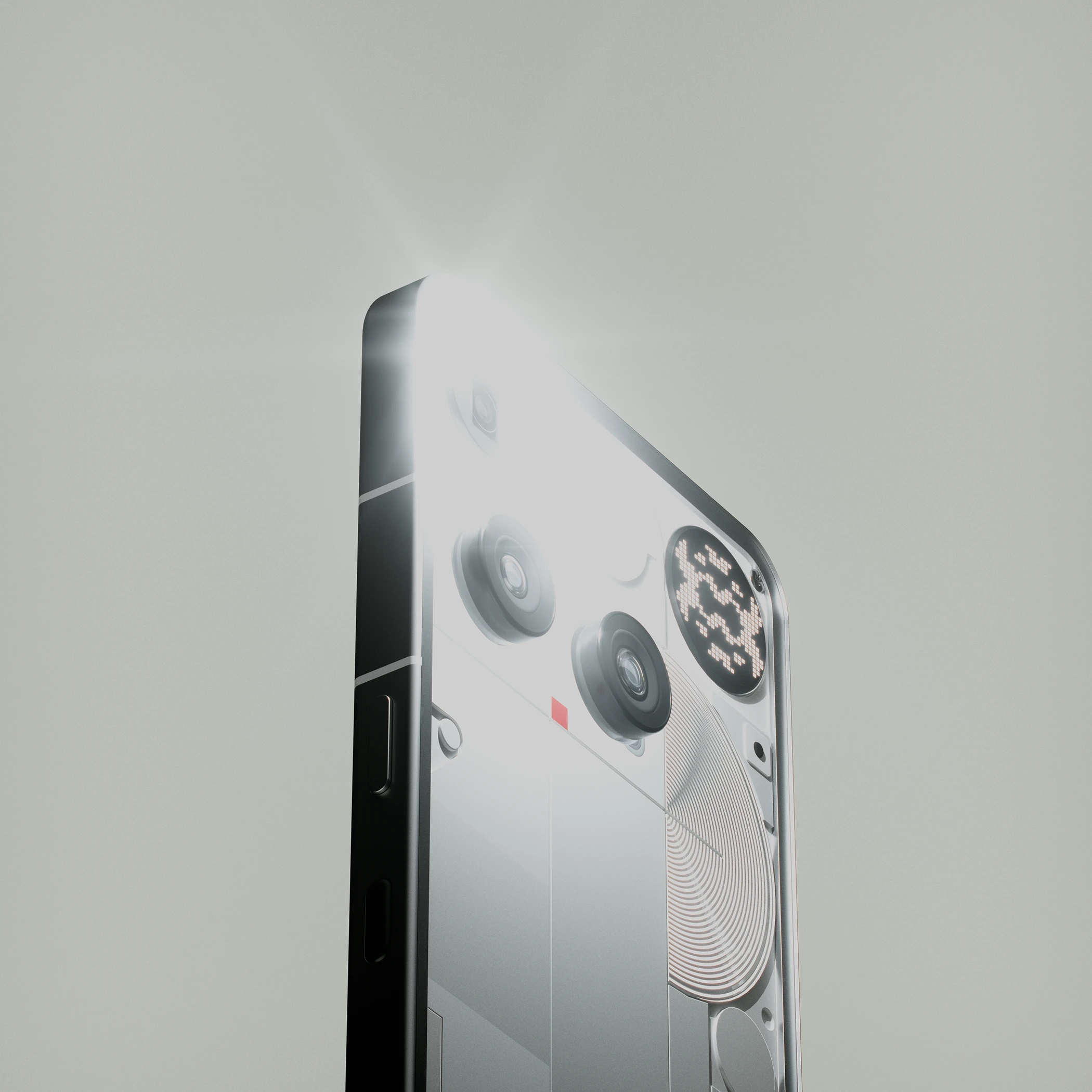
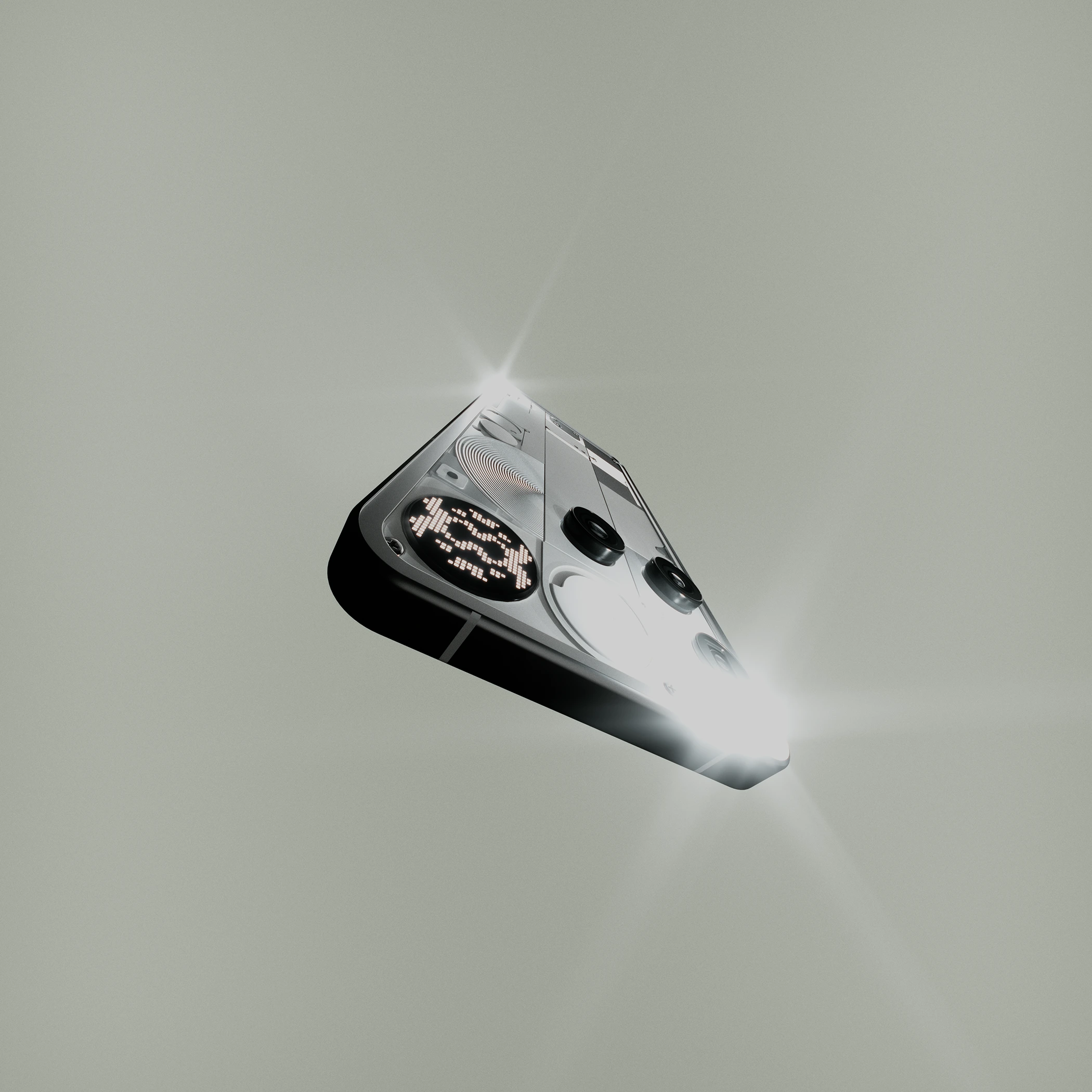
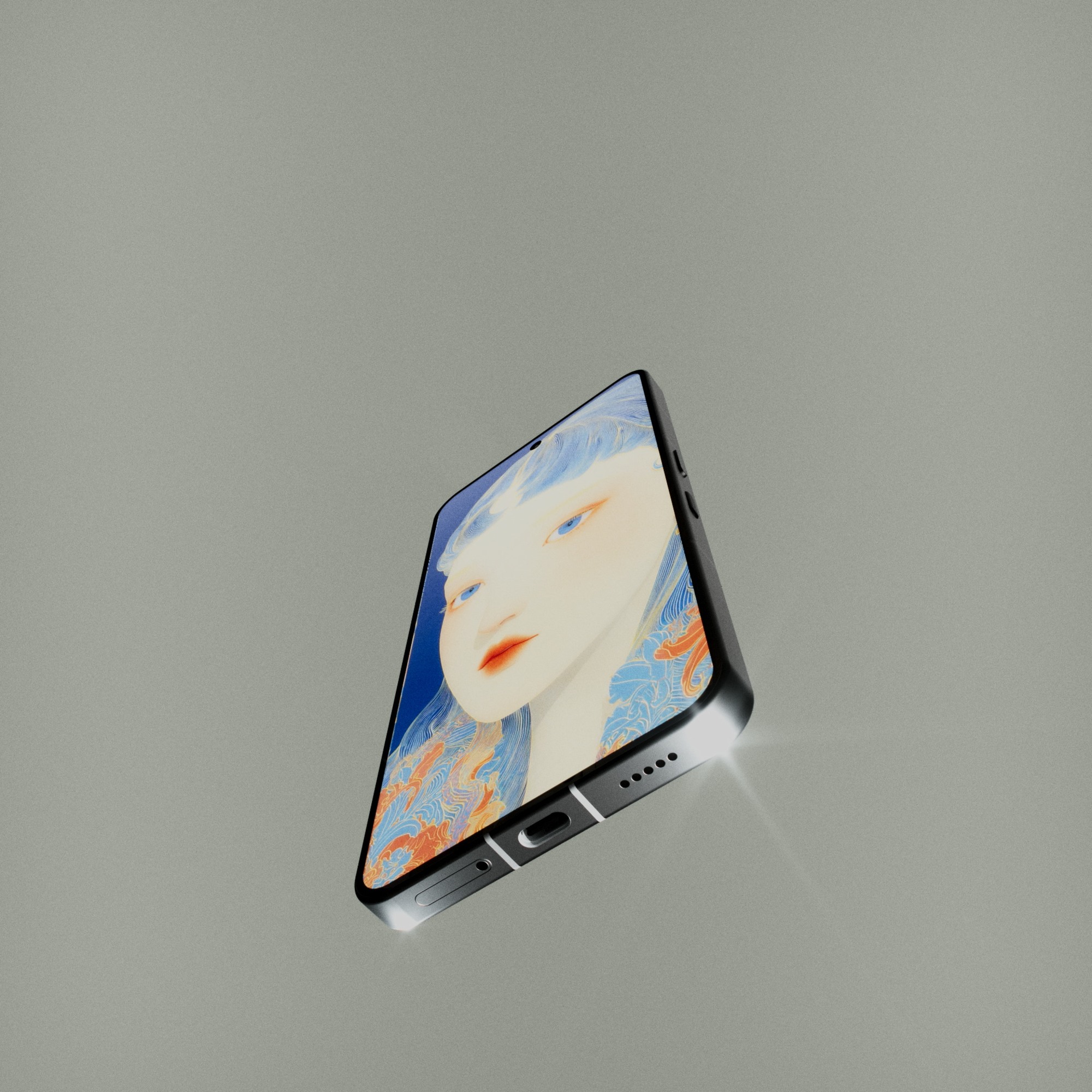
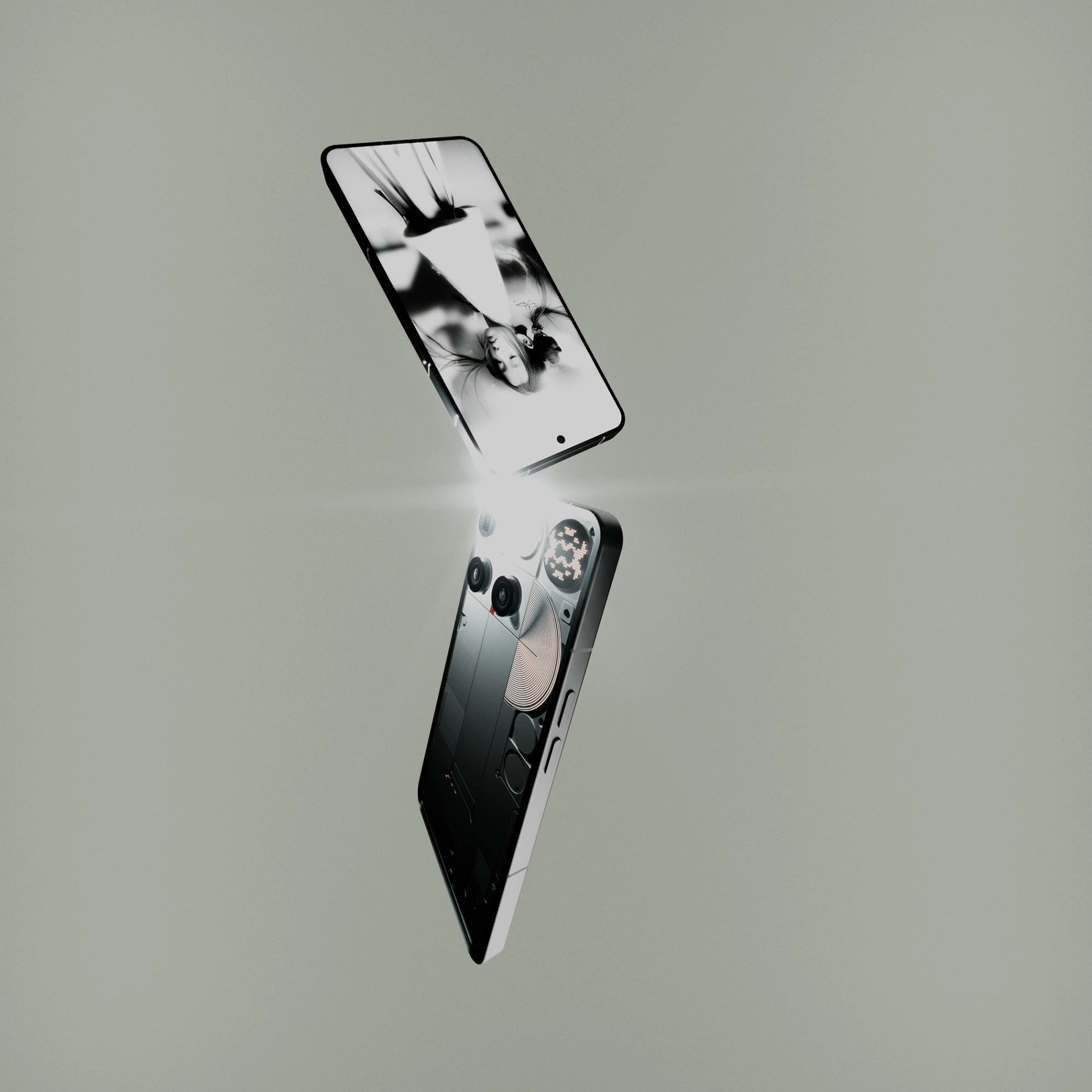
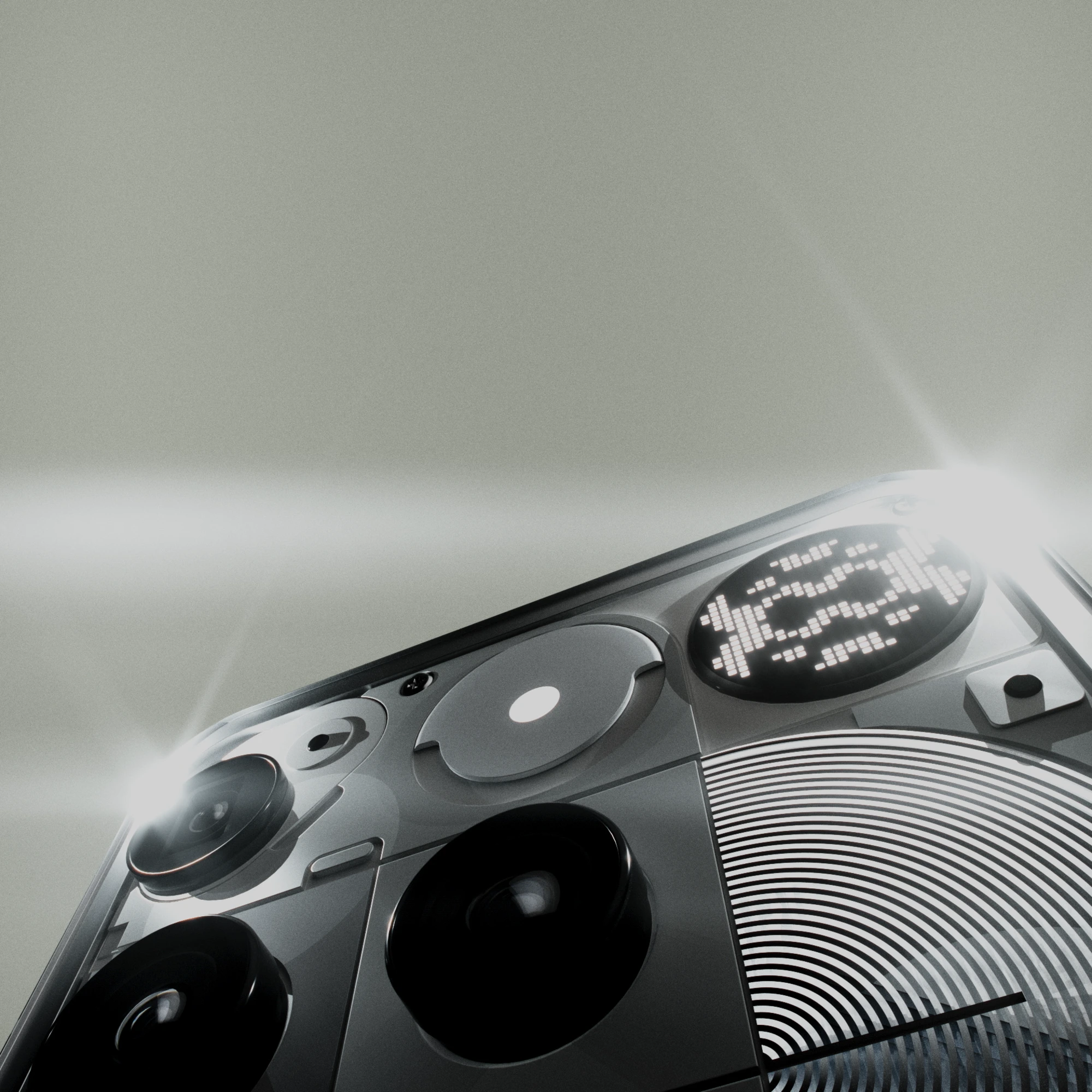
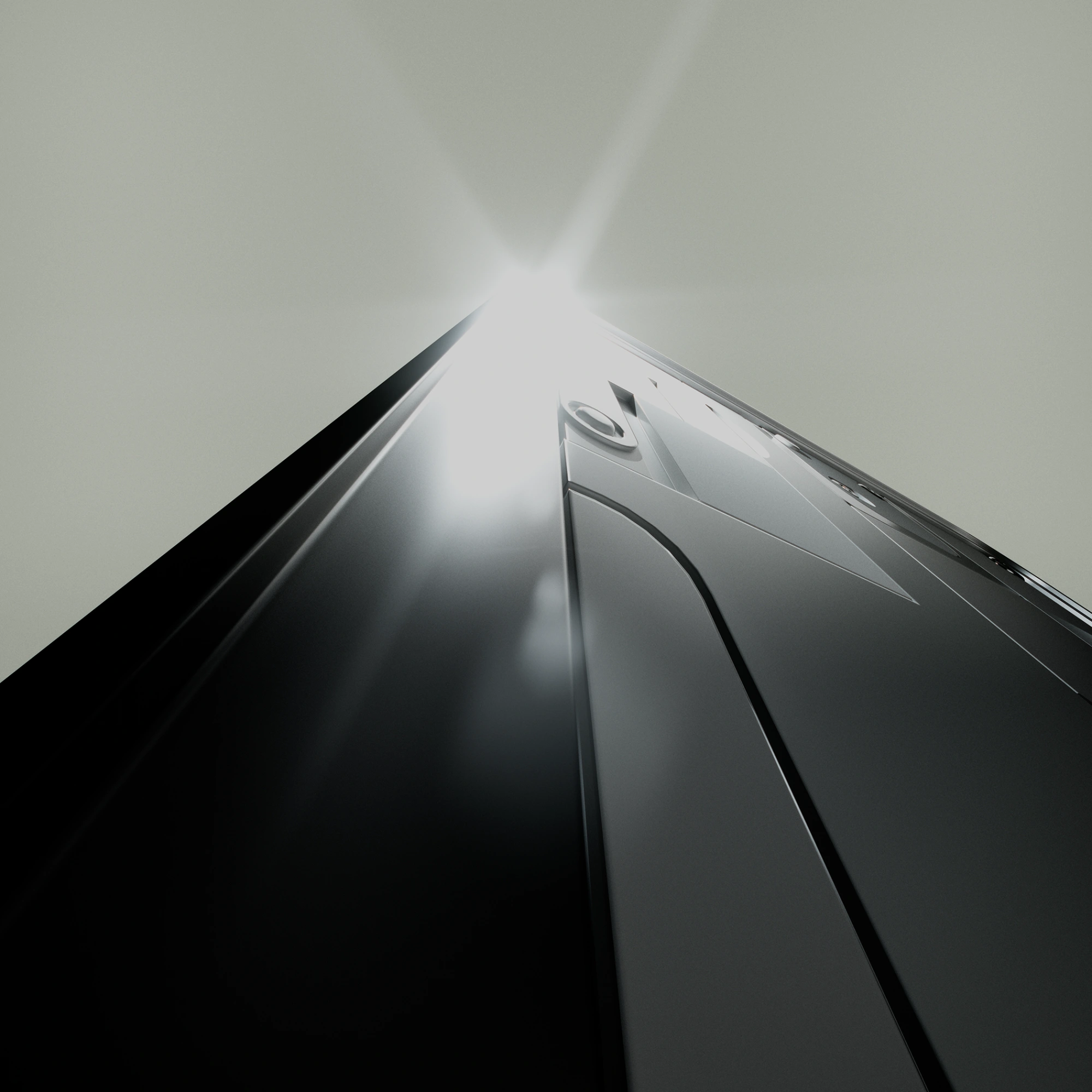
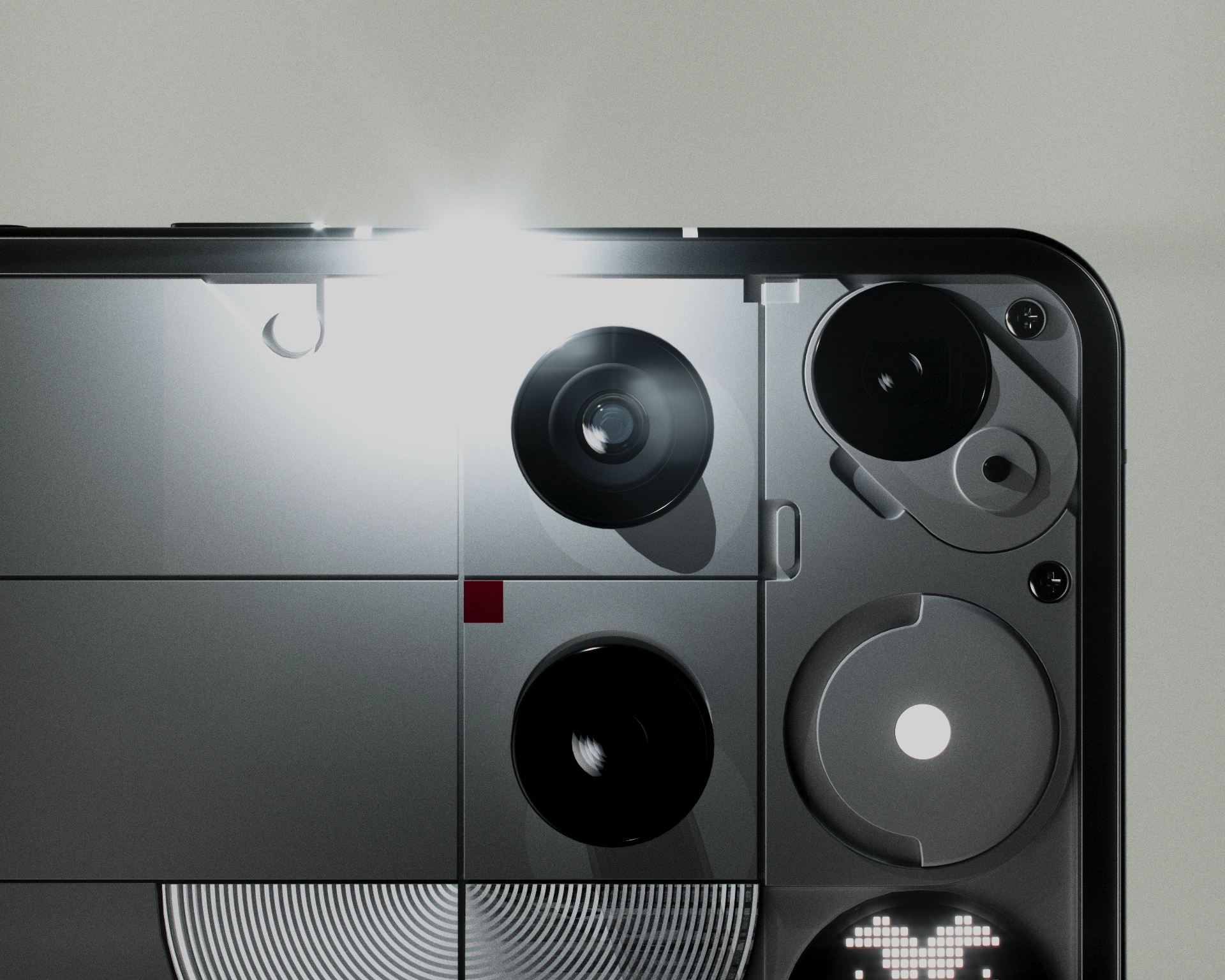
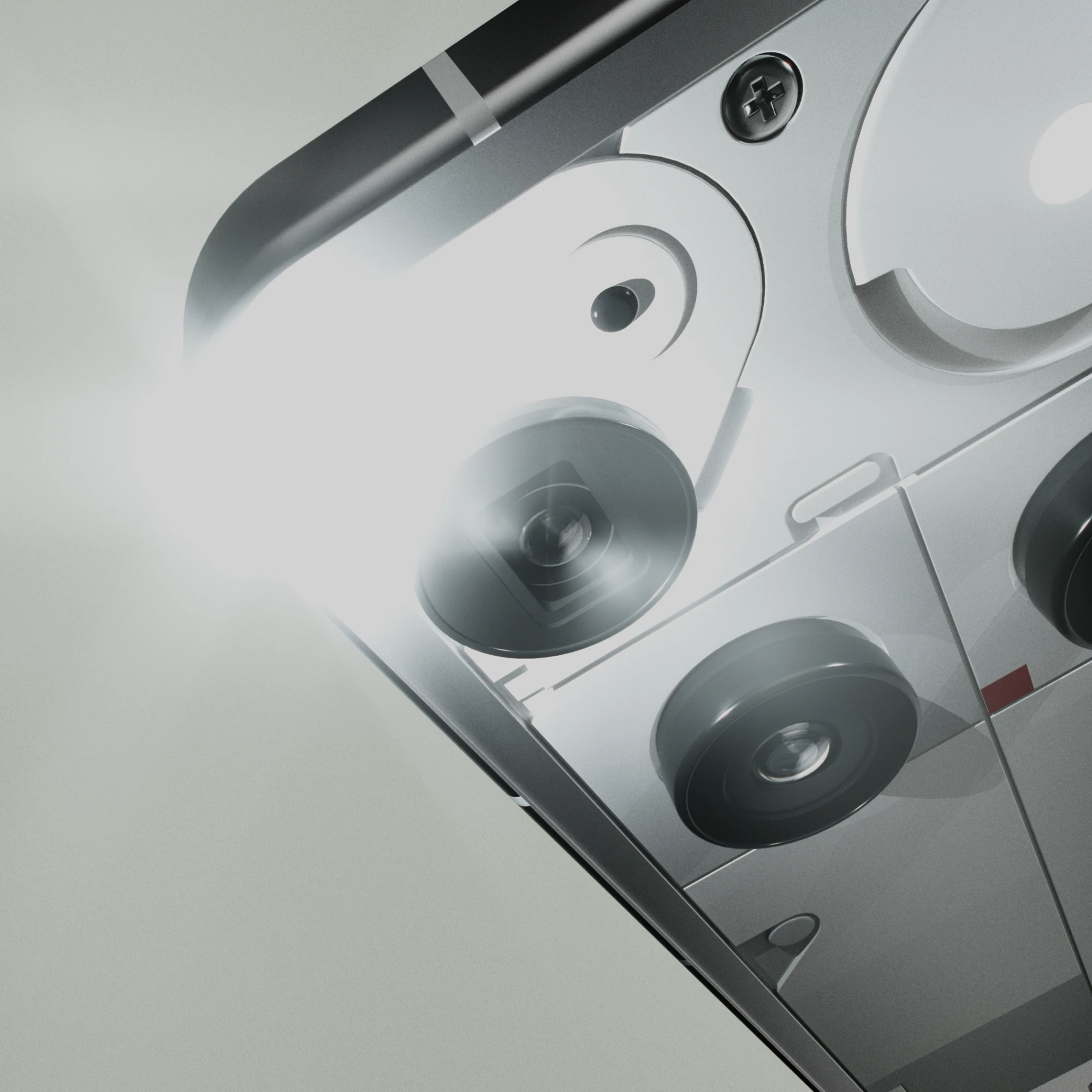
The device is blinded by the lights of stardom, mirroring Nothing’s rapid rise. The look borrows from the flash photography trending in fashion editorial: raw, overexposed moments, authentically imperfect.
Nothing Phone
An R&D study in creating an icon
Making an object feel permanent before the market has decided it is, and the technical skills needed to bring that vision to life.
Nothing’s design bucks every trend in tech, pairing retro nostalgia with practicality.
So we set out to put it on a pedestal and built two opposing CGI routes.
The build
Flash reflection, rarely attempted in CGI
A dome light makes a super clean studio, with slight gradient imperfections and an overall base light. High-intensity spotlights cut the sharp shadow falloffs and flash highlights. The rest is camera settings, render settings, post FX and iteration.
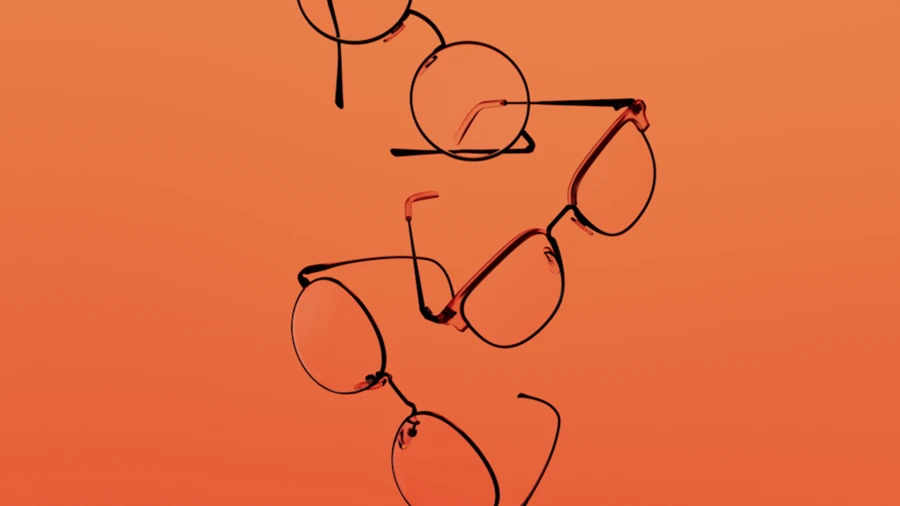
In motion, the device multiplies and reacts with quick, divergent movements, and the viewer is partly blinded by the same bright lights.
01 / 06
Route II · ArchivalThe icon tomorrow
Route II · Archival
The icon tomorrow
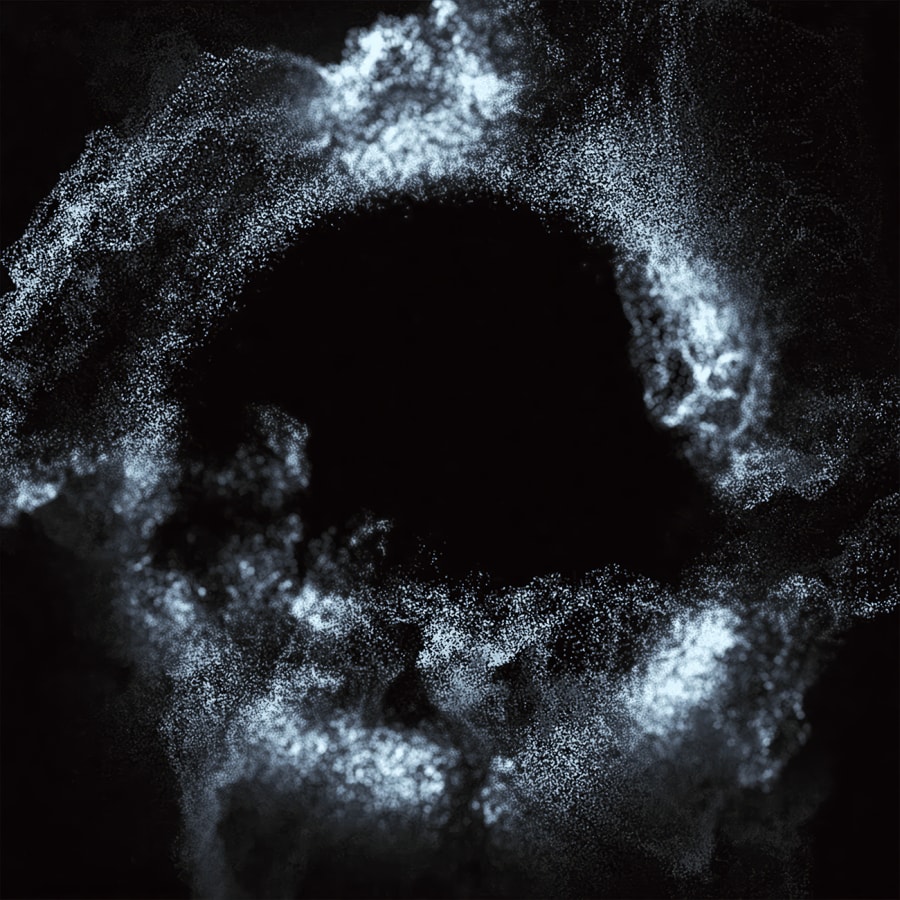
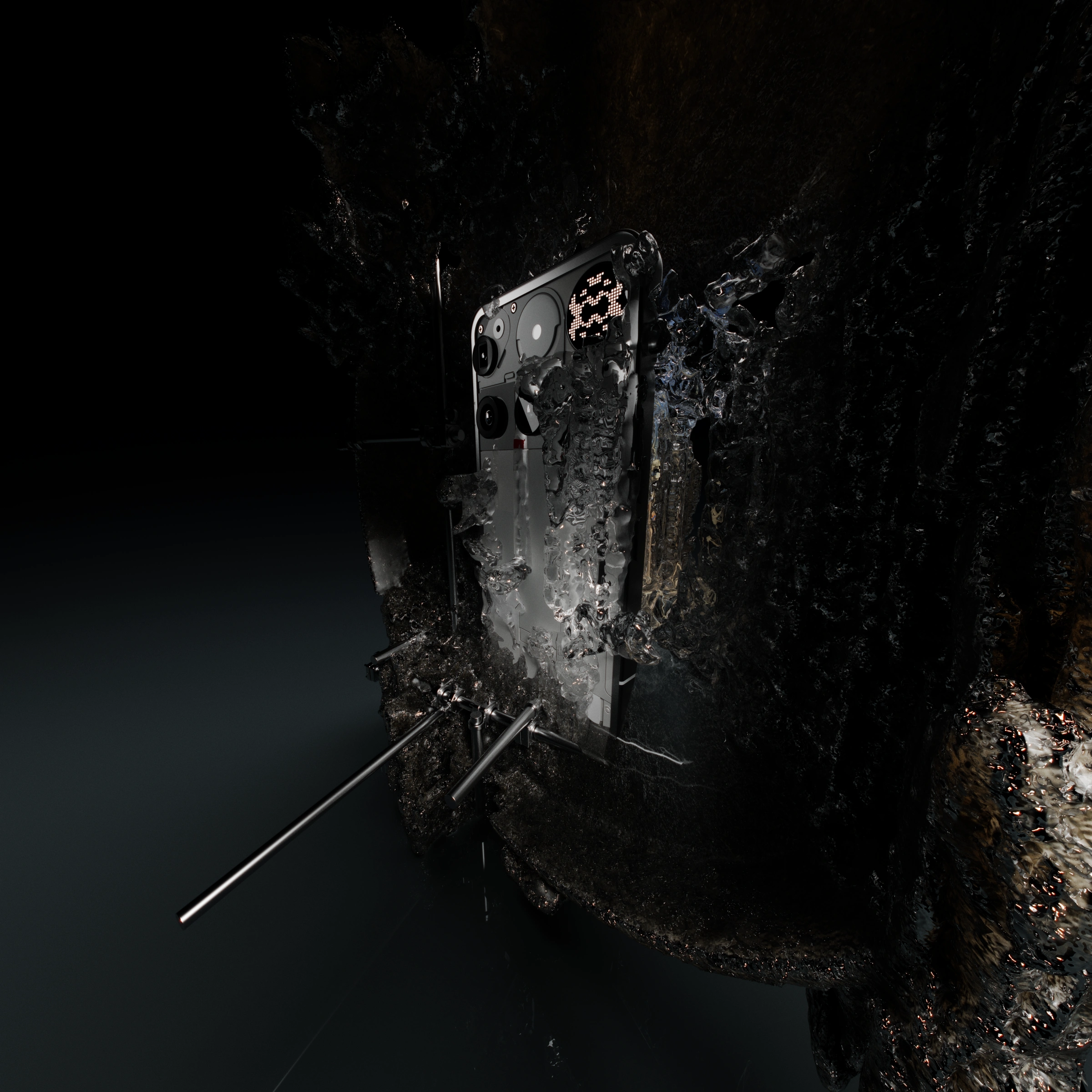
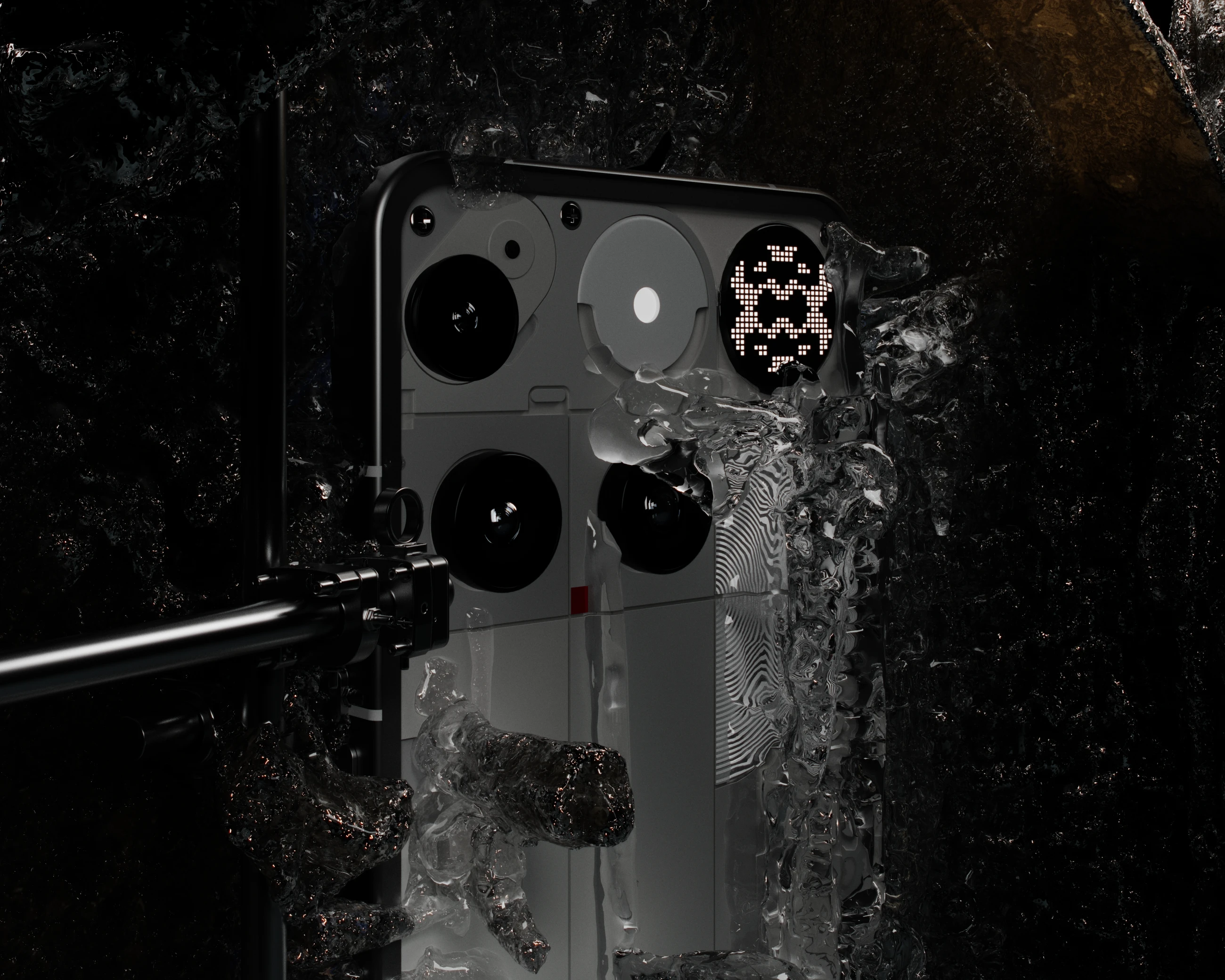
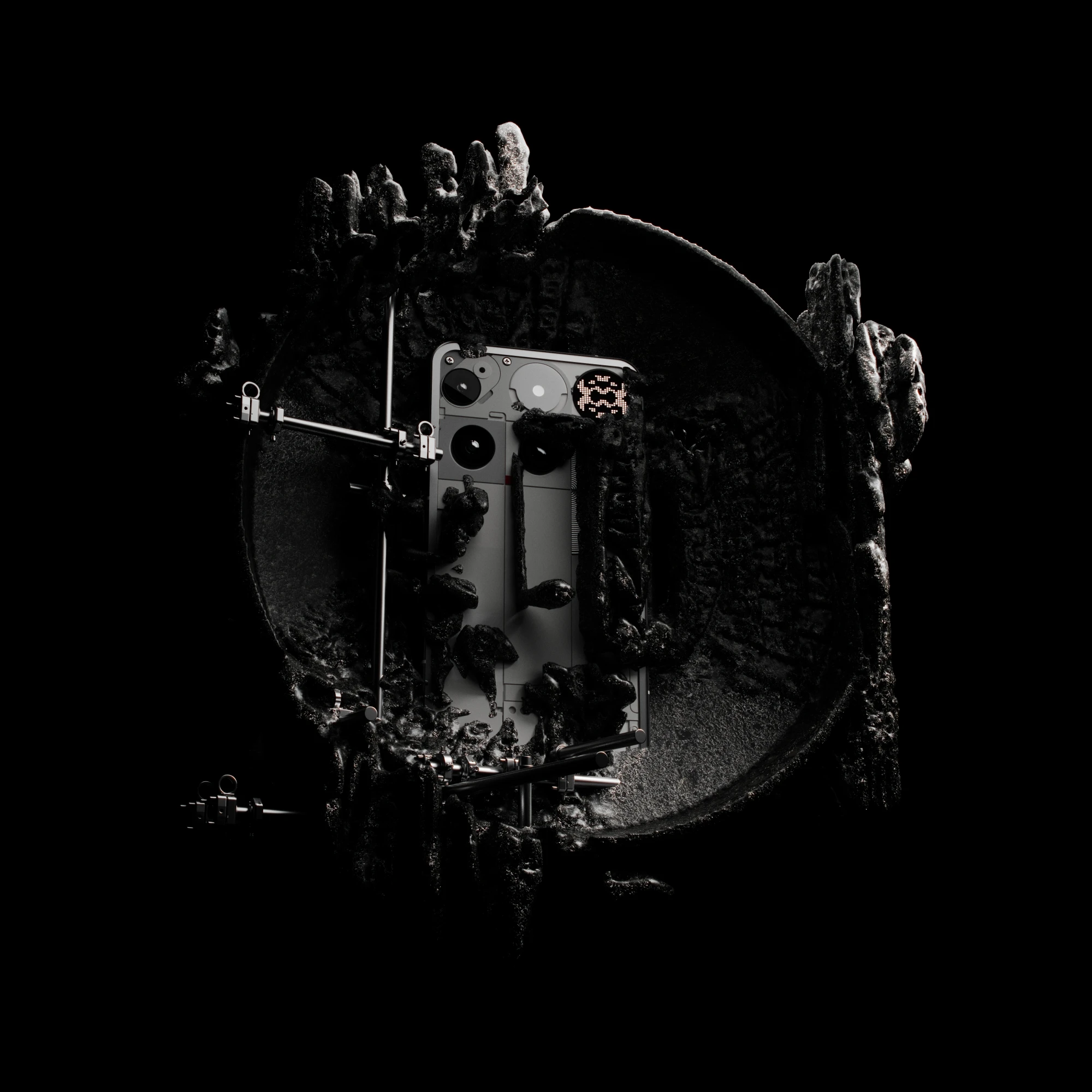
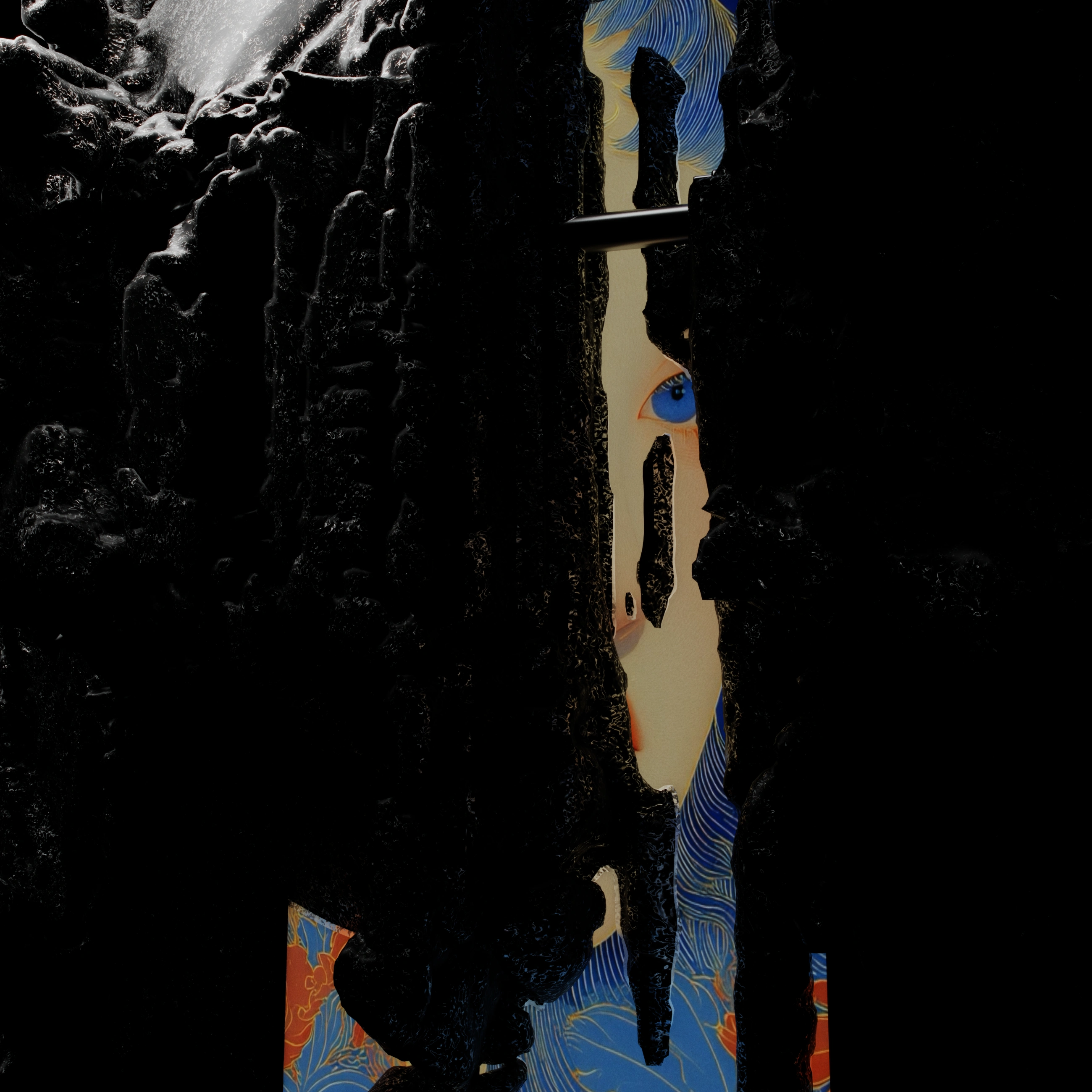
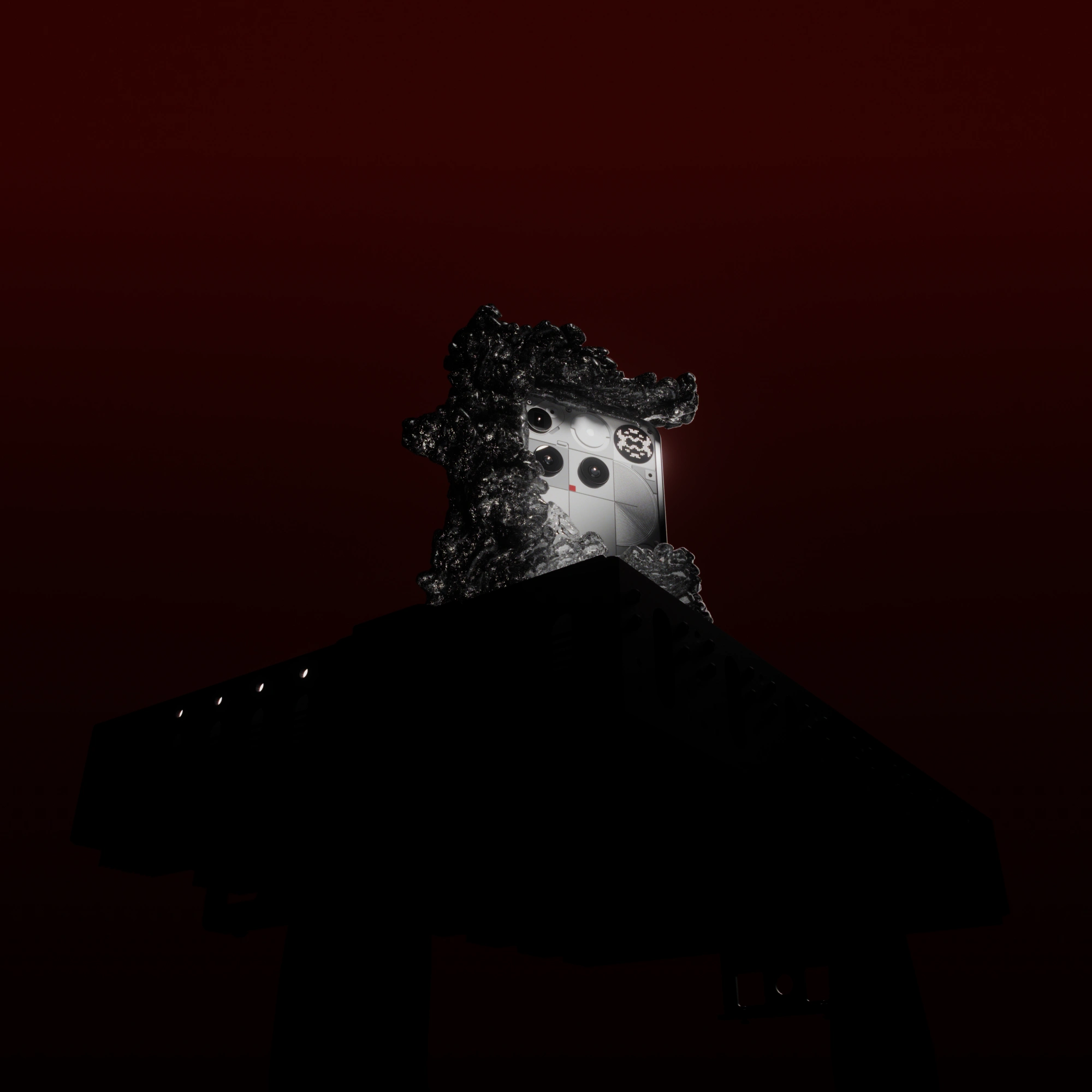
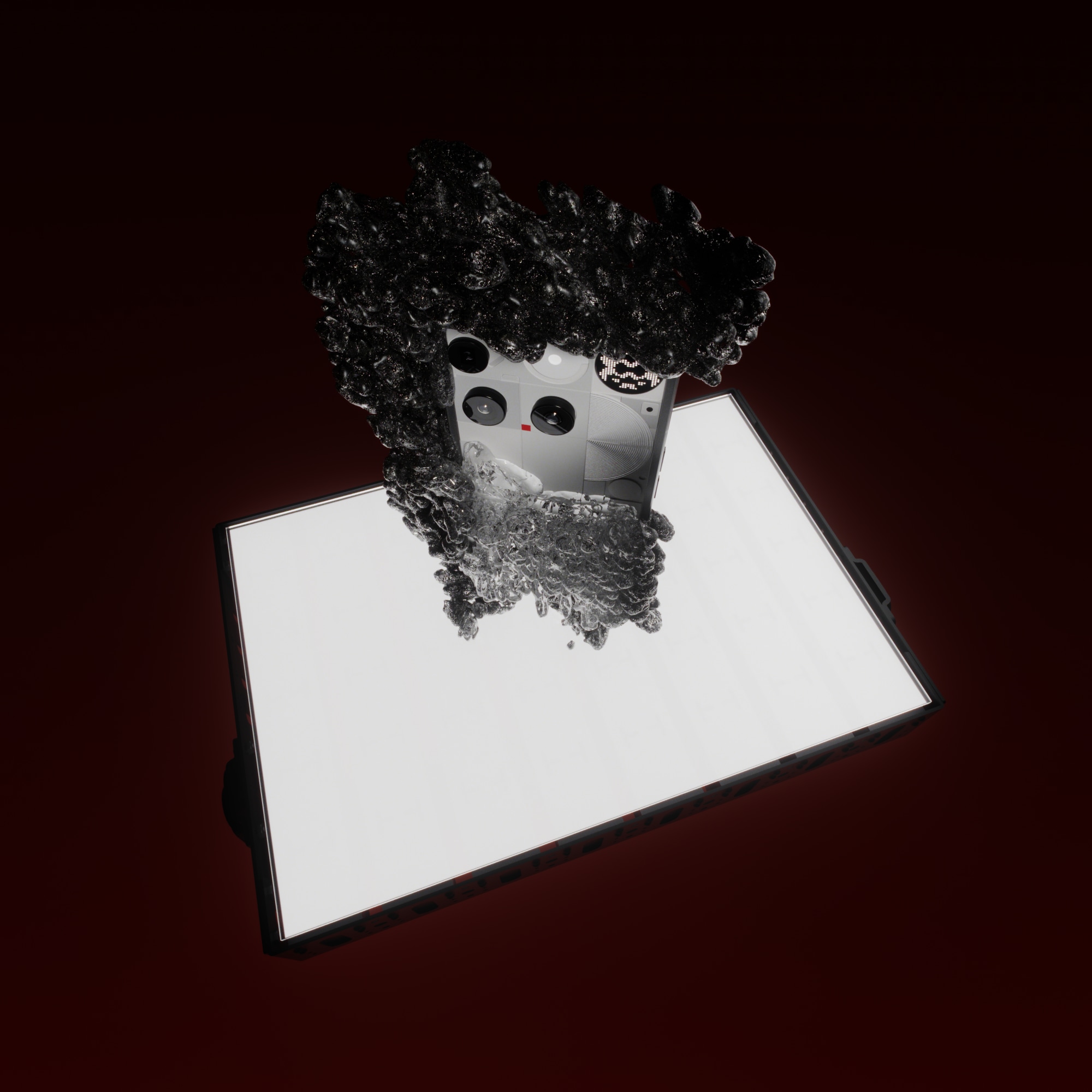
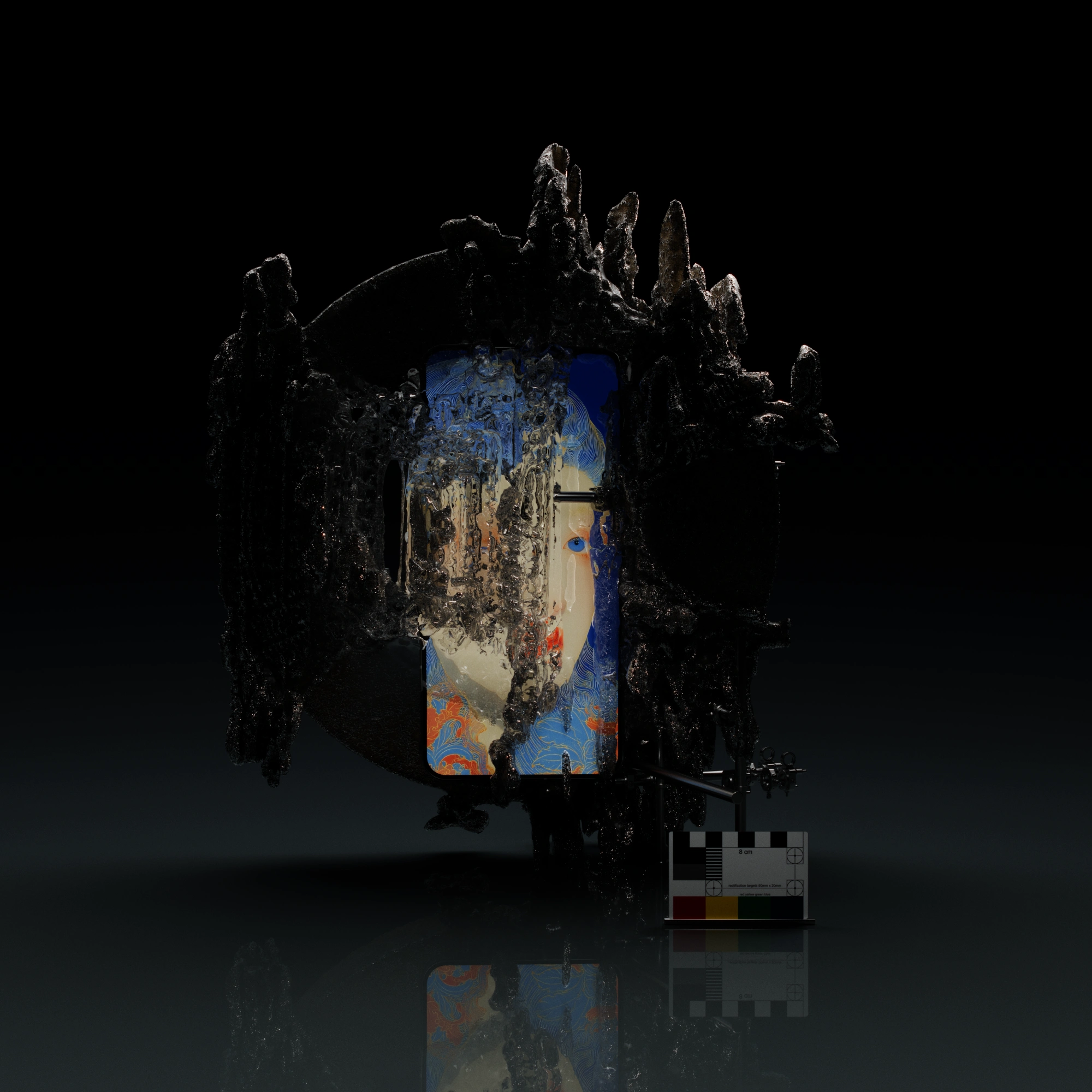
Today’s individualism becomes tomorrow’s museum piece. The device is preserved as a future relic, too significant to disturb, in an industry where yesterday’s products are instantly forgotten.
The build
Engineered, then grown
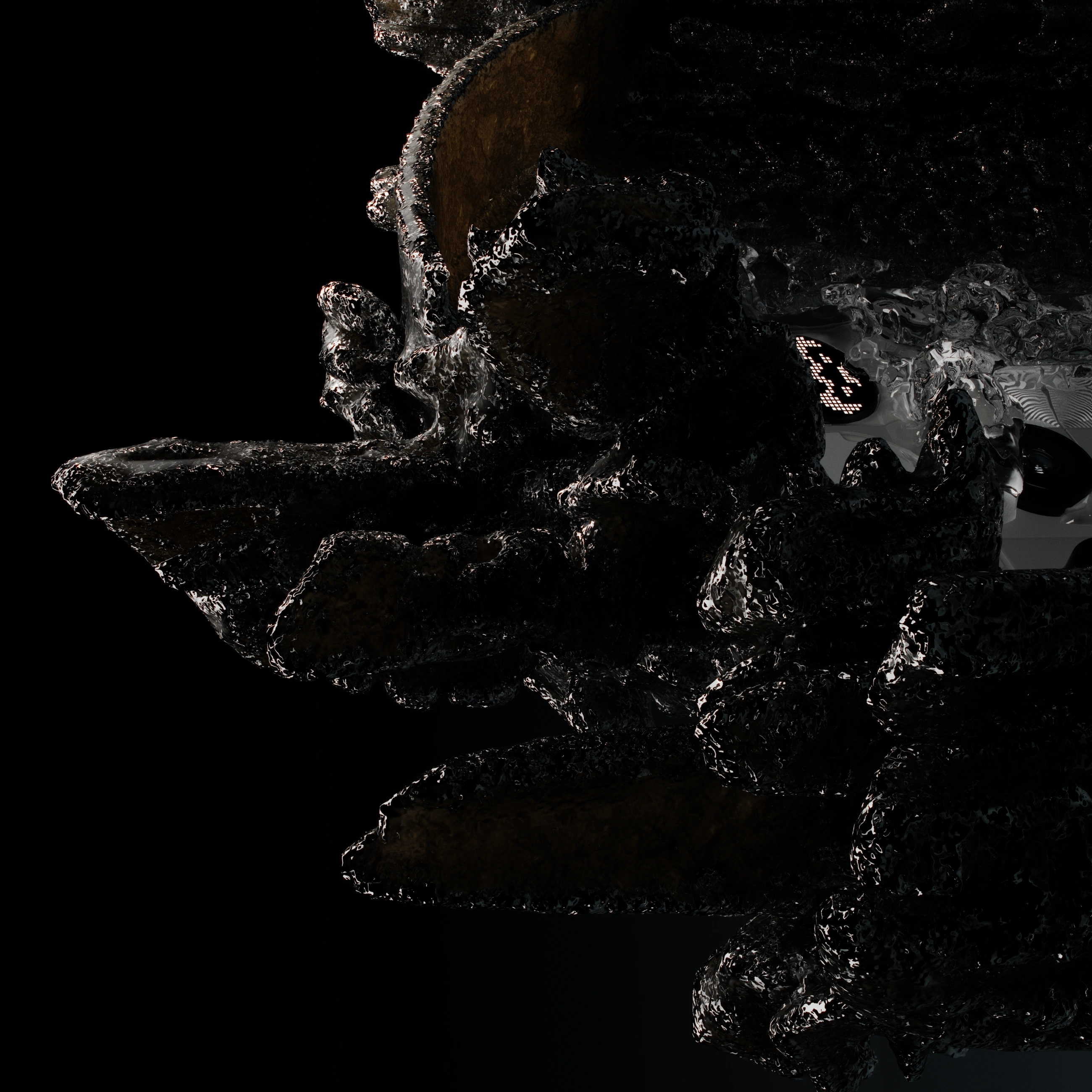
Machined hard surfaces and man-made structure meet other-worldly organic materials. Generative growth systems in Houdini set up the supports around the phone, then let algorithms arrange them organically, a counterpoint to the deliberate design choices of Nothing. These semi-generative structures pair with pottery-inspired surfaces and simulated forms. In motion, the pace slows so the viewer stays in study mode.
Nothing Phone Study is part of BSPK R&D: an ongoing series of studies testing the technical solutions that bring creative vision to life, in 3D, AI and whatever comes next.
See more R&D projects